
Introduction
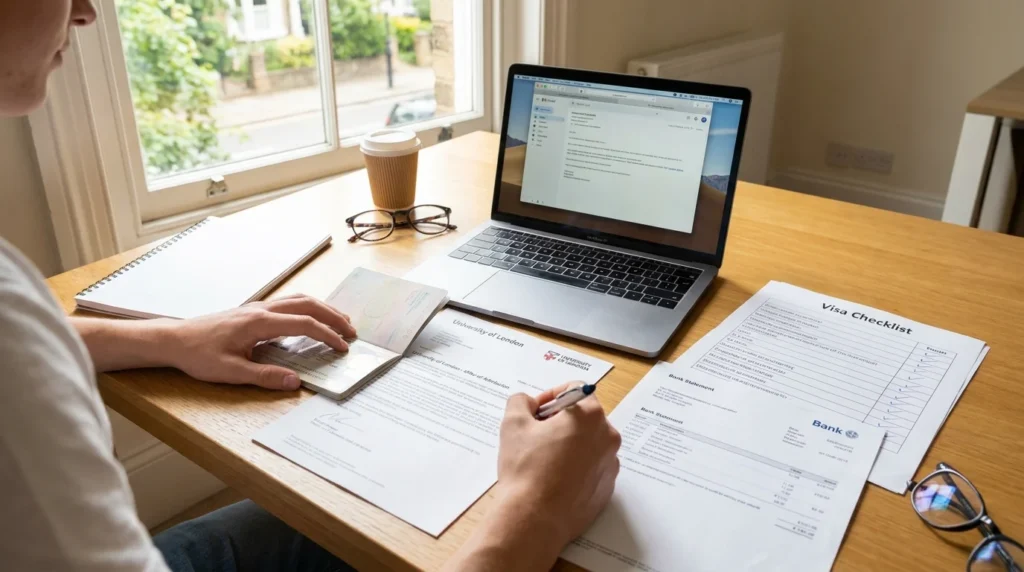
Getting a student visa is one of the most important steps to study abroad. Every year thousands of students apply for visas to study in countries such as Canada, Australia, the United States, the United Kingdom, Germany and Japan. Many applications are approved, some are refused by avoidable mistakes.
You will learn the common reasons for student visa rejection, prepare a stronger application, and greatly increase your chances of approval. In this guide we’ll go through the top 10 reasons student visas get rejected and some practical tips to avoid them.
1. Incomplete or Incorrect Documents: A Leading Cause of Student Visa Rejection
Incomplete or inaccurate documentation is a leading cause of visa rejection. Your application may be viewed with suspicion if there is a lack of documentation or inaccurate information.
How to Avoid It
- Before submitting, check each required document twice.
- Ensure names, dates, and personal details are consistent.
- Submit certified translations if documents are not in the required language.
- Carefully follow the checklist provided by the embassy or immigration authority.
2. Insufficient Financial Proof: A Major Reason for Student Visa Rejection
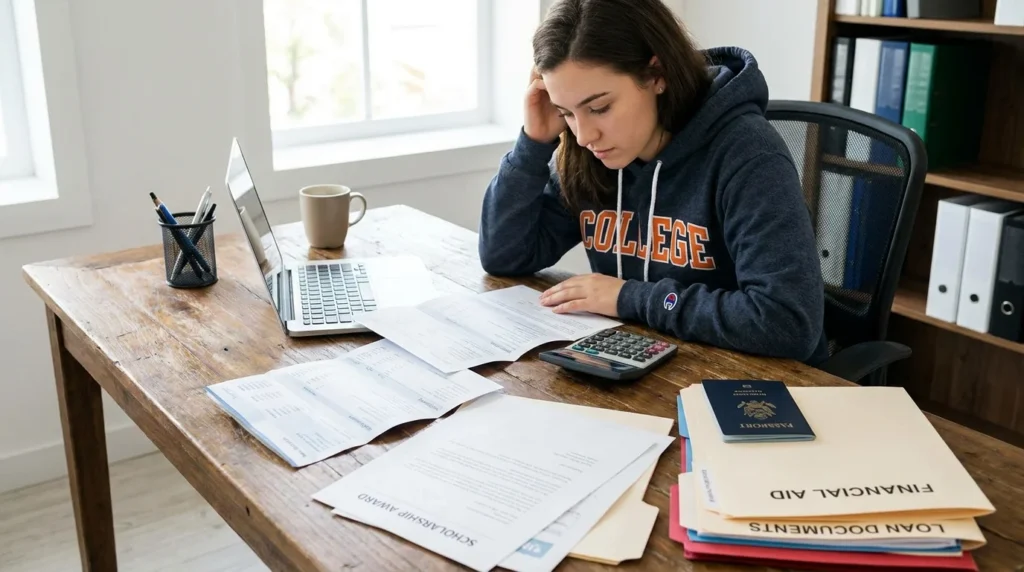
The majority of nations require applicants to demonstrate their ability to pay for living expenses, housing, and tuition. Your visa may be denied if your financial documentation is insufficient or unclear.
How to Avoid It
- Give the most recent bank statements.
- If applicable, include letters of sponsorship or scholarship.
- Demonstrate financial stability in the past.
- Ensure your funds meet the minimum financial requirements
3. Weak Statement of Purpose: How It Leads to Student Visa Rejection
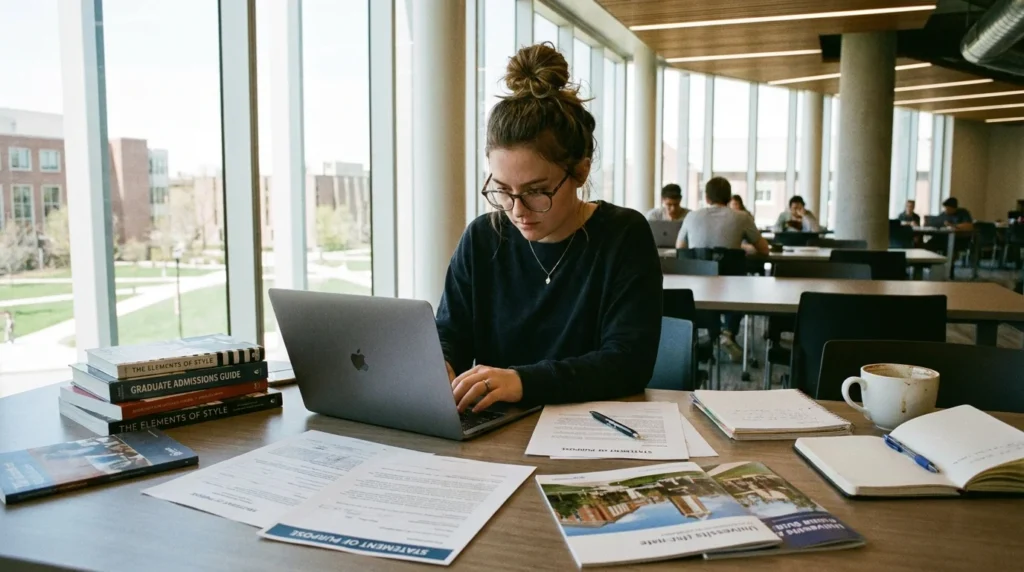
A poorly written Statement of Purpose (SOP) can make visa officers question your intentions.
How to Avoid It
- Give a clear explanation of why you chose the university and course.
- Describe how the program aligns with your career goals.
- Keep your content original and honest.
- Be organized and professional in your writing.
4. Poor Visa Interview Performance: A Common Cause of Student Visa Rejection

Students may be required to attend a visa interview in some nations. Rejection can occur due to insufficient preparation or inconsistent responses.
How to Avoid It
- Practice common interview questions.
- Answer honestly and confidently.
- Know everything about your university and your course.
- Stay calm and maintain professional communication.
5. Lack of Genuine Study Intent: A Hidden Reason for Student Visa Rejection
Visa officers must be convinced that your primary purpose is education, not immigration.
How to Avoid It
- Clearly state your academic goals.
- Demonstrate how the degree supports your future career.
- Avoid giving vague or contradictory answers.
6. Previous Immigration Violations: How Past Mistakes Cause Student Visa Rejection
Overstaying a visa or violating immigration rules in any country can negatively affect your application.
How to Avoid It
- Always adhere to immigration regulations.
- Be sincere about your travel experiences.
- If necessary, provide explanations and supporting documents.
7. Low Academic Performance: Why It Triggers Student Visa Rejection
Without a good reason, poor academic records can make you doubt your ability to succeed.
How to Avoid It
- Completely submit academic transcripts.
- Explain any academic gaps honestly.
- Make your accomplishments, work experience, and certifications stand out in your profile.
8. Choosing an Unrelated Course: A Common Path to Student Visa Rejection
Selecting a program that does not match your previous education or career plans may appear suspicious.
How to Avoid It
- Choose a course that is relevant to your educational background or career objectives.
- Clearly explain any change in study direction.
- Support your decision with logical reasons.
9. Criminal Record or Security Concerns: A Serious Ground for Student Visa Rejection
Applicants with criminal histories or security-related issues may face visa refusal.
How to Avoid It
- Provide accurate information.
- If required, submit police clearance certificates.
- Never hide relevant information from immigration authorities.
10. Providing False Information: The Fastest Route to Student Visa Rejection
One of the quickest ways to get denied a visa is to provide false information or documents, which could lead to future bans.
How to Avoid It
- Only submit genuine documents.
- Before applying, check every detail.
- Keep your word throughout the application process.
Bonus Tips to Reduce Your Risk of Student Visa Rejection
- Apply far in advance of the deadline.
- Carefully prepare all required documents.
- Provide solid financial evidence.
- Create a persuasive Statement of Purpose.
- Get ready for the visa interview.
- Demonstrate genuine academic intentions.
- Before submitting your application, go over it multiple times.
Final Thoughts
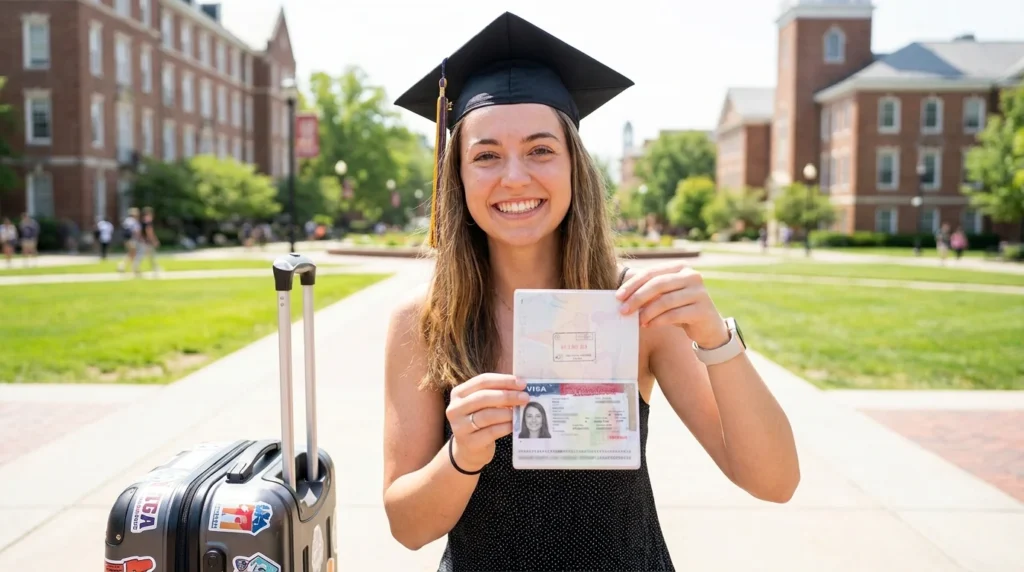
A student visa rejection can be disappointing, but most refusals happen because of preventable mistakes. By understanding the most common reasons for rejection and preparing your application carefully, you can significantly improve your chances of approval.
Make sure your documents are in order, that you provide accurate information, that you are financially stable, and that you clearly explain your study plans. A well-prepared application not only increases your chances of receiving a student visa but also brings you one step closer to achieving your dream of studying abroad.
What is the most common reason for student visa rejection?
The most common reason is submitting incomplete documents or failing to provide sufficient financial proof.
Can I apply again after my student visa is rejected?
Yes. Most countries allow you to reapply after correcting the issues that led to the rejection.
Does a visa rejection affect future applications?
A previous rejection does not automatically prevent future approval, but you should address the reasons for the earlier refusal before reapplying.
How much money do I need to show for a student visa?
The required amount varies by country and depends on tuition fees and estimated living expenses.
Can fake documents lead to a visa ban?
Yes. Submitting fraudulent documents can result in immediate rejection and may lead to long-term or permanent visa bans in some countries.