
Table of Contents
Introduction
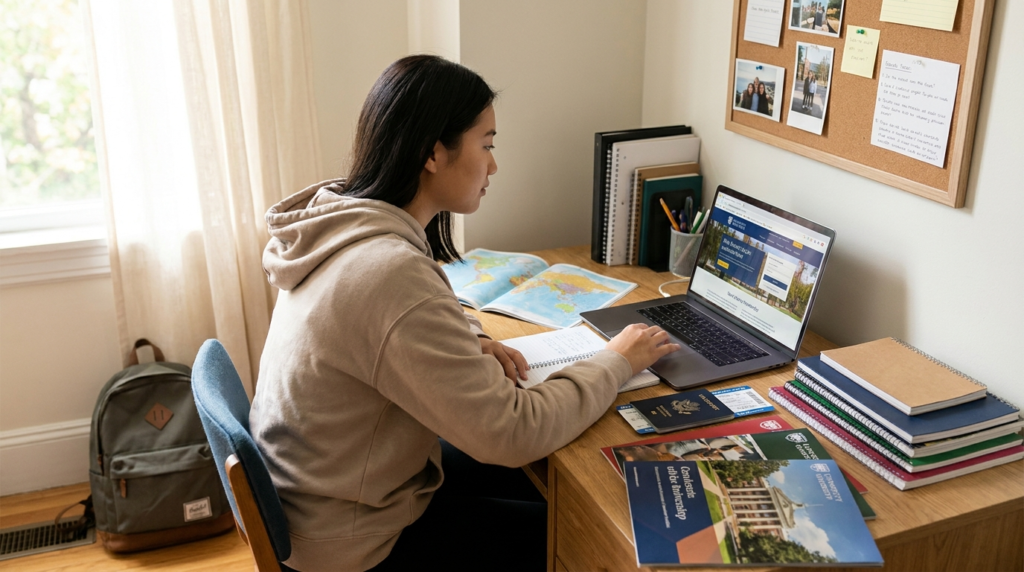
Going abroad to study is an exciting experience which can change your future academic and professional trajectory. But, before you start your educational journey, getting a student visa is one of the most important things to do. Each country has its own visa requirements, application process and documentation needs. Familiarizing yourself with the process as early as possible can help you avoid unnecessary delays and boost your approval odds.
This is a comprehensive Student Visa Application Guide for International Students, covering everything you need to know, from deciding which visa category to apply for to visa interview preparation.
What Is a Student Visa?
Student visa is an official document issued by a country’s government which permits an international student to enter and stay in that country for studying purposes. Generally, student visas are awarded to students attending a specific educational institution like a university, college, language school, or vocational school.
The type of student visa you require will depend on the country where you wish to study and the length of your study program.
Why Is a Student Visa Important?
With a student visa you can:
- Legally studying abroad in another country
- Use University facilities and services
- Check if working part-time is possible to do so
- Be on the move within and to/from the host country as per visa rules
- Stay in legal immigration status while in school
If you don’t get the right visa, you could be barred from entering the country or deported.
Step 1: Receive an Admission Offer
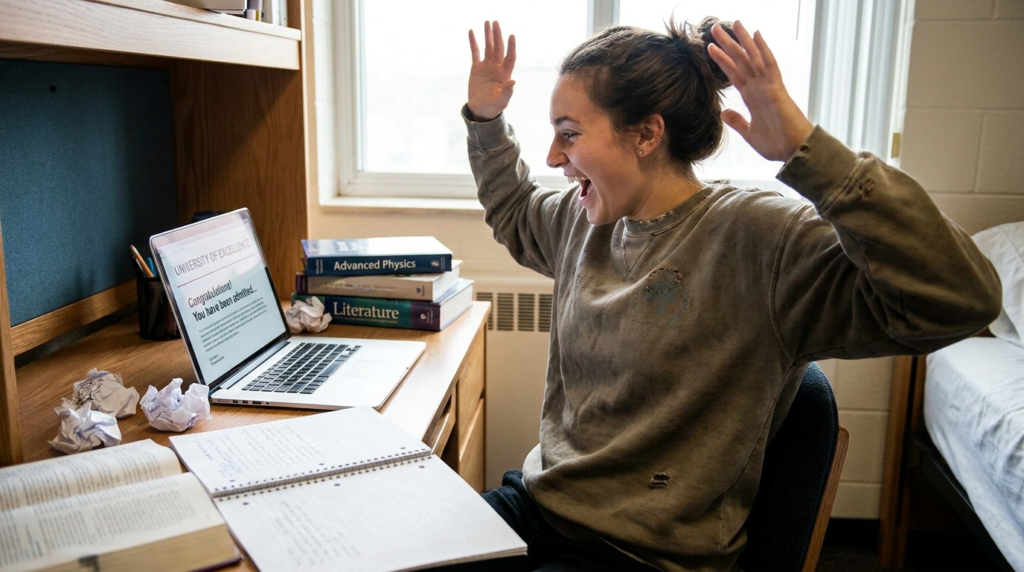
International students need to get enrolled in an approved educational institution before they apply for a student visa. The vast majority of Embassies will need an official letter of admission or enrollment confirmation from a recognized educational program.
Documents typically include:
- University acceptance letter
- Confirmation of enrollment
- Course details
- Program duration information
Step 2: Understand Visa Requirements
The visa requirements for each country varies. Check the immigration rules of the country you wish to visit on the official website or embassy.
Common requirements include:
- Valid passport
- Admission letter
- Evidence of financial support
- Passport-sized photographs
- Visa application form
- Health insurance
- Medical examination reports
- Police clearance certificate
Always refer to the official source as requirements may change often.
Step 3: Prepare Proof of Financial Support
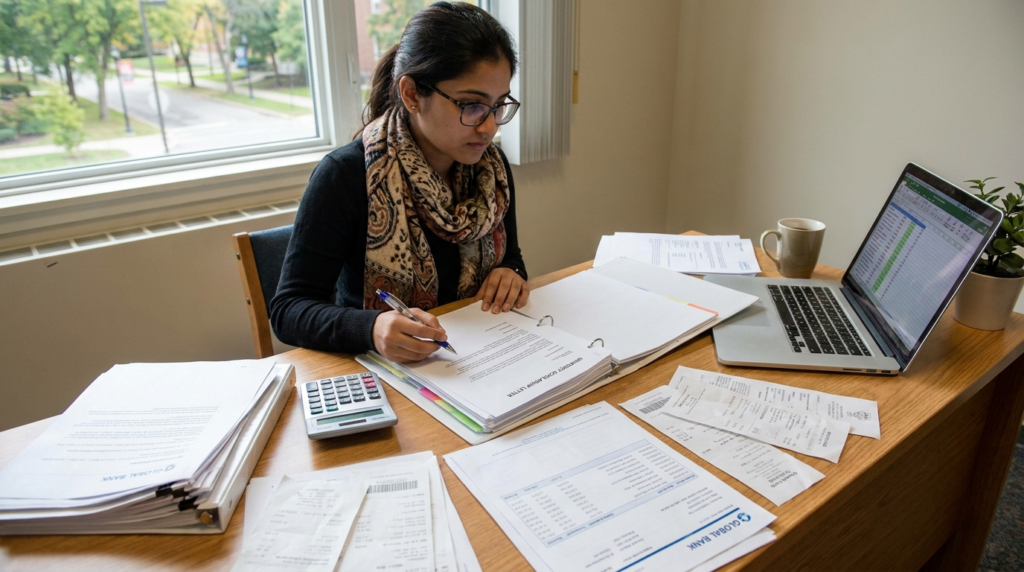
Governments would like to make sure that international students can afford tuition fees and living costs.
- Acceptable financial documents are:
- Bank statements
- Scholarship award letters
- Sponsorship letters
- The approval documents for education loans.Education loan approval papers.
- Parents/Guardians will be required to provide financial guarantees.
Make sure that all financial documents are current, are correct and have the minimum funding.
Step 4: Complete the Visa Application Form
Nowadays, most countries offer online visa application process. Fill in all sections of the application form carefully and make sure that all the information corresponds to that found in your passport and admission documents.
Double-check:
- Personal information
- Passport number
- Course details
- University information
- Contact information
All errors, including minor ones, can slow down processing.
Step 5: Pay the Visa Application Fee
A fee is typically not refundable for student visas. Payment: differs from nation to nation and Embassy to Embassy.
Keep copies of:
- Payment receipts
- Confirmation emails
- Transaction references
These documents may need to be provided at your appointment or interview.
Step 6: Schedule a Visa Appointment
A biometric appointment and/or visa interview is required at many embassies.
It is recommended to make the booking as early as possible due to limited dates, particularly in high time for admittance.
Carry all necessary documents, original and photocopy.

Step 7: Attend the Visa Interview
It is not a universal requirement that every country that you would want to study in will have an interview, but many of the bigger study destinations will.
Typical interview questions are:
- What led you to this University?
- What is your motivation to study in this country?
- What is your plan for paying for college?
- What do you hope to do in your career once you graduate?
- Are you intending to go back to your country of origin?
Be honest and confident, giving clear explanations.
Step 8: Wait for Visa Processing
The processing time is extremely variable according to country of destination and application time.
Processing time can be influenced by:
- Application volume
- Security checks
- Missing documents
- Medical examinations
- Embassy workload
Try to do several months in advance of your course starting to prevent last minute problems.
Common Reasons for Student Visa Rejection
Learning about some of the usual reasons for rejections can be useful in creating a more solid application.
Typical reasons include:
- Insufficient financial evidence
- Incomplete documentation
- Inconsistent information
- Poor interview performance
- Lack of real study purposes
- Passport is not valid or expired
Carefully review all requirements before submission.
Tips for a Successful Student Visa Application
Apply Early
Begin visa application process as soon as you receive an offer of admission.
Organize Your Documents
Label and arrange all paperwork correctly.
Be Honest
In both your application and interview, be honest about the information you provide.
Follow Embassy Instructions
Observe document specifications and carefully read all guidelines.
Prepare for Interviews
Practice answering common questions and thoroughly comprehend your study plans.
Best Countries for International Students
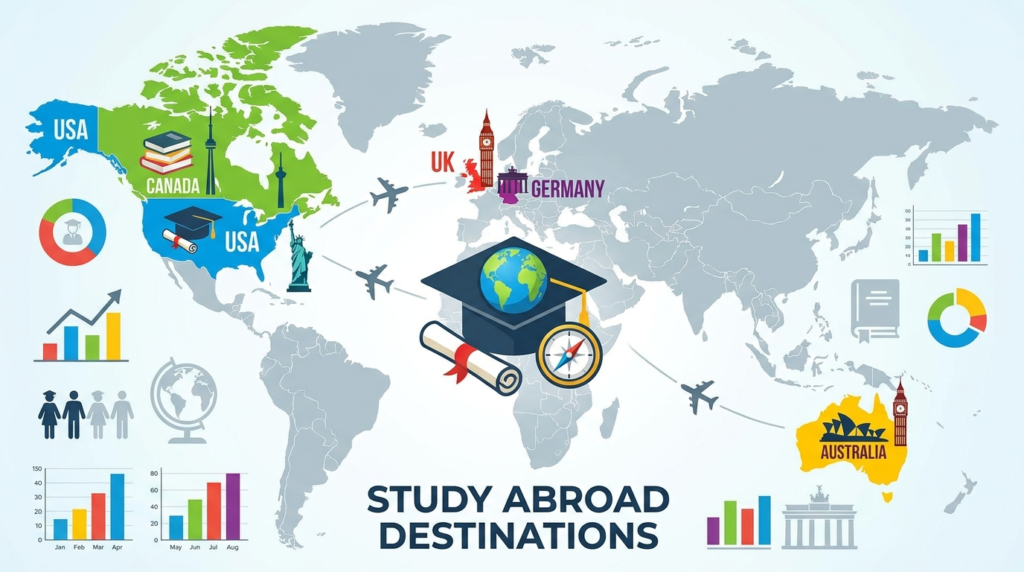
The following are popular destinations for international education:
- States of America
- Canada
- Great Britain Australia
- Germany
- France
- Netherlands
- The New Zealand
- Ireland
- Sweden
There are distinct educational opportunities and visa regulations in each nation.
Frequently Asked Questions
How long does a student visa take to process?
Depending on the nation, processing times can take anywhere from a few weeks to several months.
Can international students work while studying?
Subject to visa requirements, students in many nations are permitted to work part-time while enrolled in school.
What happens if my visa application is rejected?
After you address the reasons for the rejection, you might be able to file an appeal or a new application.
Do scholarships help with visa approval?
Yes. Scholarships can help your application by demonstrating your financial capability.
When should I apply for a student visa?
Apply at least three to six months in advance of your intended travel date.
Final Thoughts
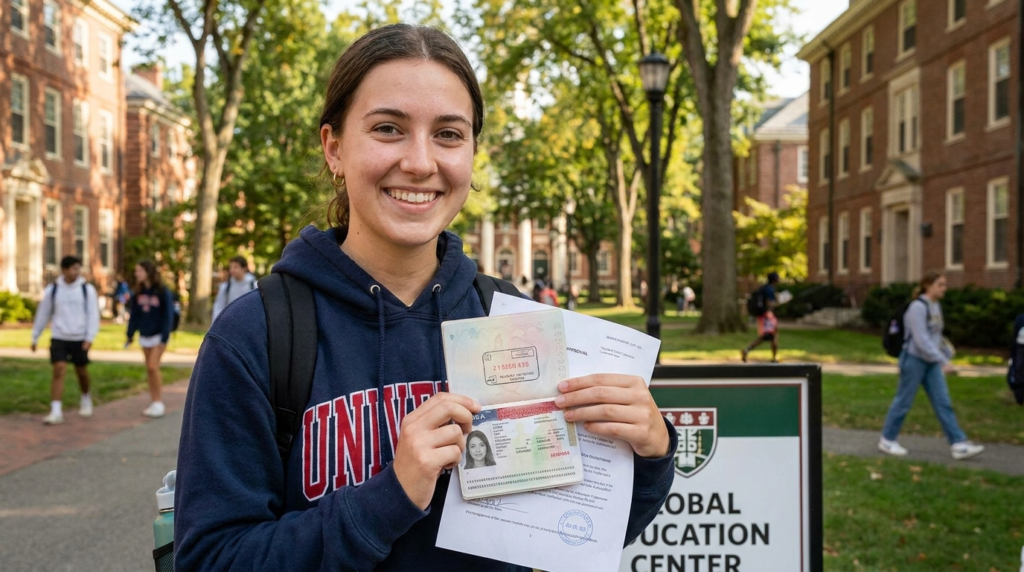
A crucial step toward achieving your international education objectives is obtaining a student visa. You can significantly increase your chances of approval by understanding the requirements, preparing strong documentation, and submitting your application early. It will be easier to successfully transition from receiving an acceptance letter to studying abroad with careful planning and attention to detail.
What documents are required for a study visa?
Most study visa applications require a valid passport, university admission letter, proof of financial support, passport-sized photographs, health insurance, and completed visa application forms.
How long does it take to get a study visa?
Study visa processing times vary by country. In most cases, processing can take anywhere from a few weeks to several months.